Featured
Table of Contents
Business identity in 2026 has transitioned from a visual exercise into a technical requirement. While color schemes and typography still hold weight, the weight of a brand now rests on its ability to be recognized and pointed out by generative online search engine. This shift toward algorithmic identity implies that the method a company interacts its core worths should be as readable to a device as it is to a human. For services running in major urban centers, the standard branding playbook has been changed by a technique concentrated on information integrity and algorithmic authority.
The Shift Towards Algorithmic Acknowledgment in 2026
The idea of a "brand" has expanded to include the digital footprint that notifies large language models. Steve Morris, a frequent factor to conversations on AI and digital technique, has kept in mind that 2026 is the year where search presence and brand name identity became inseparable. If an AI representative can not confirm a company's claims or services, that company essentially does not have an identity in the modern-day market. This has resulted in an increased dependence on Industry Leaders to guarantee that every piece of business communication is structured for optimum device comprehension.
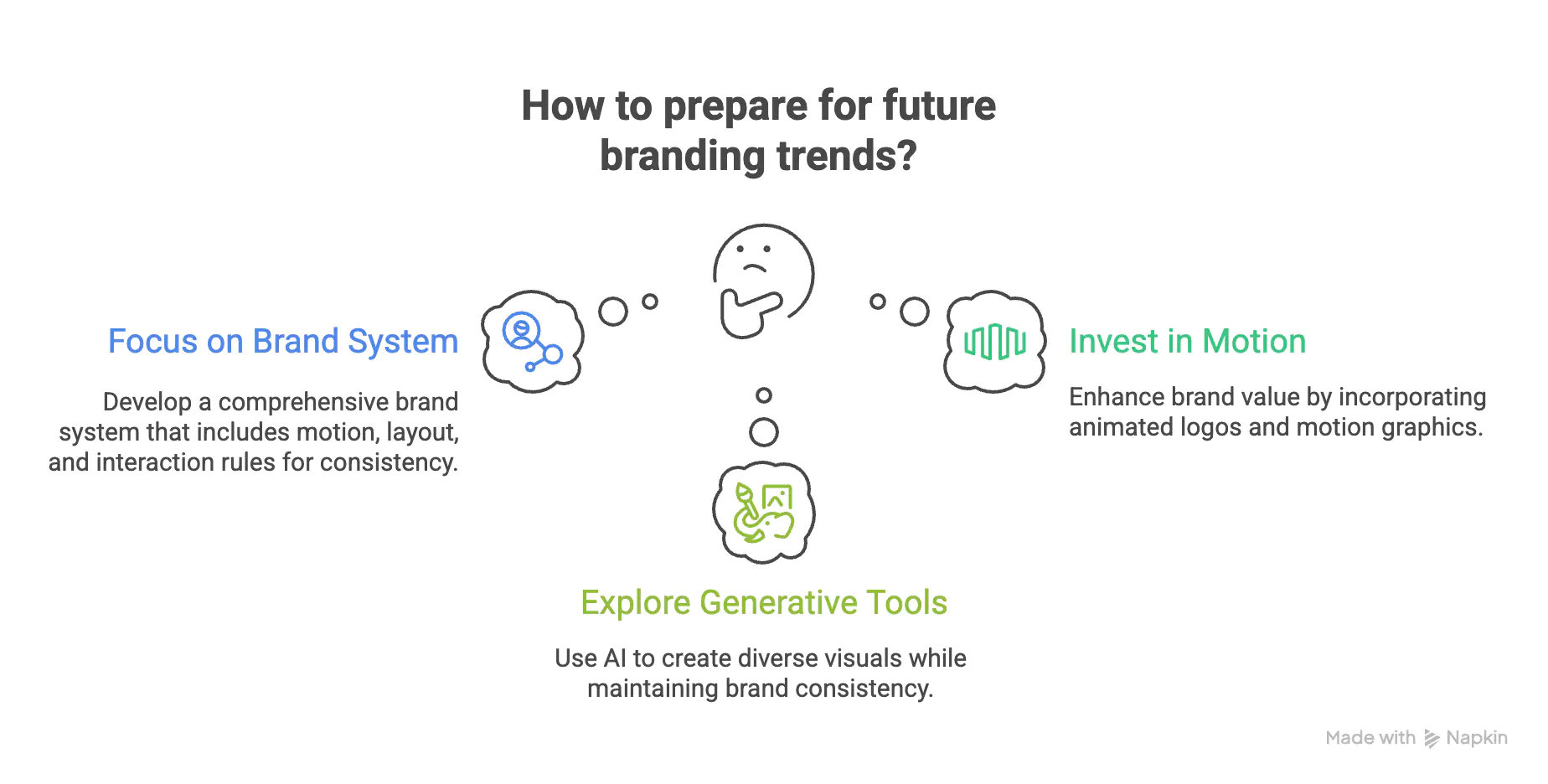
Strategic identity now involves a high level of consistency across numerous platforms. In 2026, online search engine do not just look for keywords; they look for entities. An entity is a validated concept or organization that the AI comprehends as an unique fact. Organizations that fail to develop themselves as clear entities discover their market share shrinking as AI assistants prefer brands with clear, verifiable data. This is why numerous companies in the surrounding region have actually moved far from vague objective declarations toward particular, data-backed claims that can be cross-referenced by AI search tools.
Generative Engine Optimization and Local Identity
Identity is no longer static. It is a live information set that develops as new information is indexed. Companies in the local market face the special difficulty of preserving a global brand name voice while pleasing the local intent of AI search. This is where Generative Engine Optimization (GEO) enters play. Unlike old-school search optimization, GEO concentrates on making a brand the "preferred" response in a generative summary. Many business are turning to Detailed Company Information Overview to help navigate these intricate algorithmic requirements.
The RankOS platform has actually ended up being a standard in 2026 for measuring this specific type of exposure. It provides a way to see how a brand name is being synthesized in real-time. Rather of tracking a simple rank on a page, organizations now track their "citation rate" and "authority rating" within AI-generated responses. For a business specialized in Branding For Memorable Identities, identity is now determined by how typically the algorithm advises their particular method over a competitor's. This level of technical examination has actually forced a reword of business interaction guidelines across the board.
The Function of Authenticity in a Synthesized Market
As AI-generated material saturates the marketplace in 2026, human-led authenticity has actually become a premium property. Identity is now defined by the stress in between device readability and human connection. Steve Morris often discusses the "authenticity gap" that happens when brands rely too greatly on automated material without a core human technique. To bridge this gap, companies are concentrating on initial research study, unique information, and first-party insights-- things an AI can not simply make or aggregate from other sources.
This focus on initial authority is especially obvious in the method Branding For Memorable Identities is presented to the general public. Rather than utilizing generic descriptions, brands are utilizing particular case research studies and proprietary information sets to show their worth to both people and bots. Success for modern brand names typically depends on Company Information for Business Partners to record intent-driven traffic that in fact transforms into long-lasting commitment. When a brand name supplies a distinct point of view that the AI discovers valuable enough to point out, that brand name gets an immediate increase in viewed trust.
Data Integrity as the New Visual Language
In the past, a brand name may express its identity through a smooth site or a high-end workplace. In 2026, that identity is expressed through the cleanliness of its schema markup and the consistency of its Knowledge Chart. If a business in a major hub has conflicting information about its services across different platforms, the AI will see it as an undependable source. This absence of trust leads to the brand name being omitted from AI summaries, which is the 2026 equivalent of being unnoticeable.

Managing this digital existence requires a customized technique to Branding For Memorable Identities that deals with every news release, social post, and product description as a piece of a bigger data puzzle. Every entry must be lined up with the brand's core entity. This positioning guarantees that when a user asks an AI assistant for a suggestion, the brand's identity exists properly and positively. The visual aspects of branding-- the logos and the ads-- now act as the secondary layer that reinforces the identity already developed in the data layer.
Interaction Techniques for the Post-Search Era
Corporate communication has moved far from the "broadcast" design towards a "dialogue" model, even if that dialogue is mediated by an AI. In 2026, the objective of a communications group is to influence the training data and real-time retrieval systems that power AI. This implies that public relations and SEO have actually merged into a single discipline concentrated on authority building. Organizations in the local area are discovering that their identity is formed more by what third-party sources and AI models state about them than by what they say about themselves.
Keeping track of these points out and managing the brand's reputation within AI models is now a full-time requirement. Using platforms like RankOS permits teams to see if their brand name identity is being "hallucinated" or misrepresented by generative tools. If an AI misattributes a company's values or services, the communication group should act rapidly to update the digital record. This level of active identity management was unheard of in previous years however is now a foundation of strategic marketing.
Adjusting to a Multimodal Identity
Identity in 2026 is likewise multimodal. It is not simply text; it is how a brand name is represented in voice search, video summaries, and even augmented truth. When a consumer in any metropolitan area utilizes a voice assistant to discover a service, the brand name's identity is conveyed through the tone and precision of the assistant's action. This requires a brand name voice that is clear and easily translatable throughout various media types. A brand name focused on Branding For Memorable Identities should ensure its identity is constant whether it is reading on a screen, spoken by a virtual assistant, or rendered as a 3D overlay.
The evolution of business identity in 2026 shows a broader change in how we consume info. We no longer look for brands; we request for services, and the AI provides the brand names that it trusts. Structure that trust is a technical, strategic, and innovative procedure that starts with a deep understanding of how algorithms perceive worth. By concentrating on data integrity, initial authority, and constant interaction, companies can guarantee their identity remains strong in an age of artificial media and generative search.

Latest Posts
Primary Digital Priorities for Modern Enterprise
Comparing Public Cloud Plans and Modern IT Infrastructure
The Wave in Digital Enterprise Solutions